agavist

Scan a bottle. Know the agave.

Point your phone at a mezcal or tequila label. See its agave, taste, maker and village.

In private testing, for iPhoneNot on the App Store yet. 1,308 bottles in its library.
Ask a questionhello@agavist.app

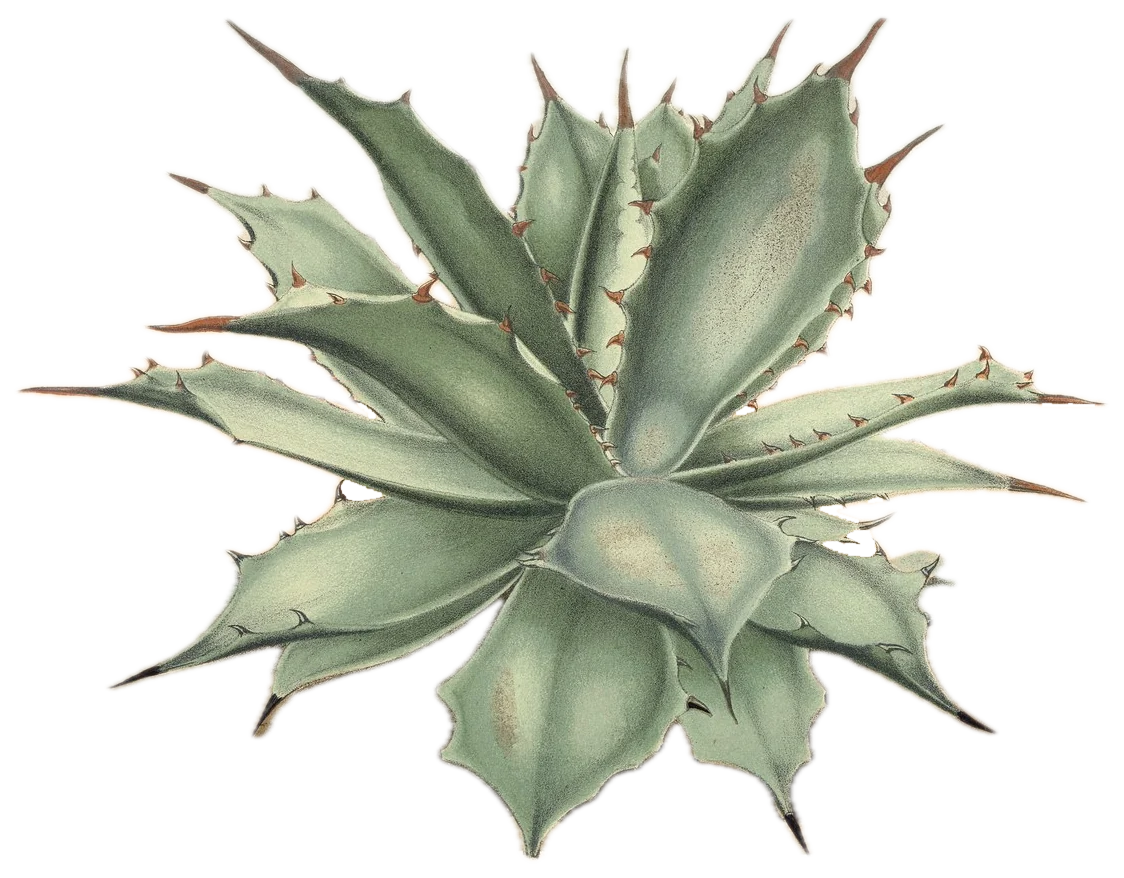
A small agave called tobalá, Agave potatorum, from a colour print made in 1868.
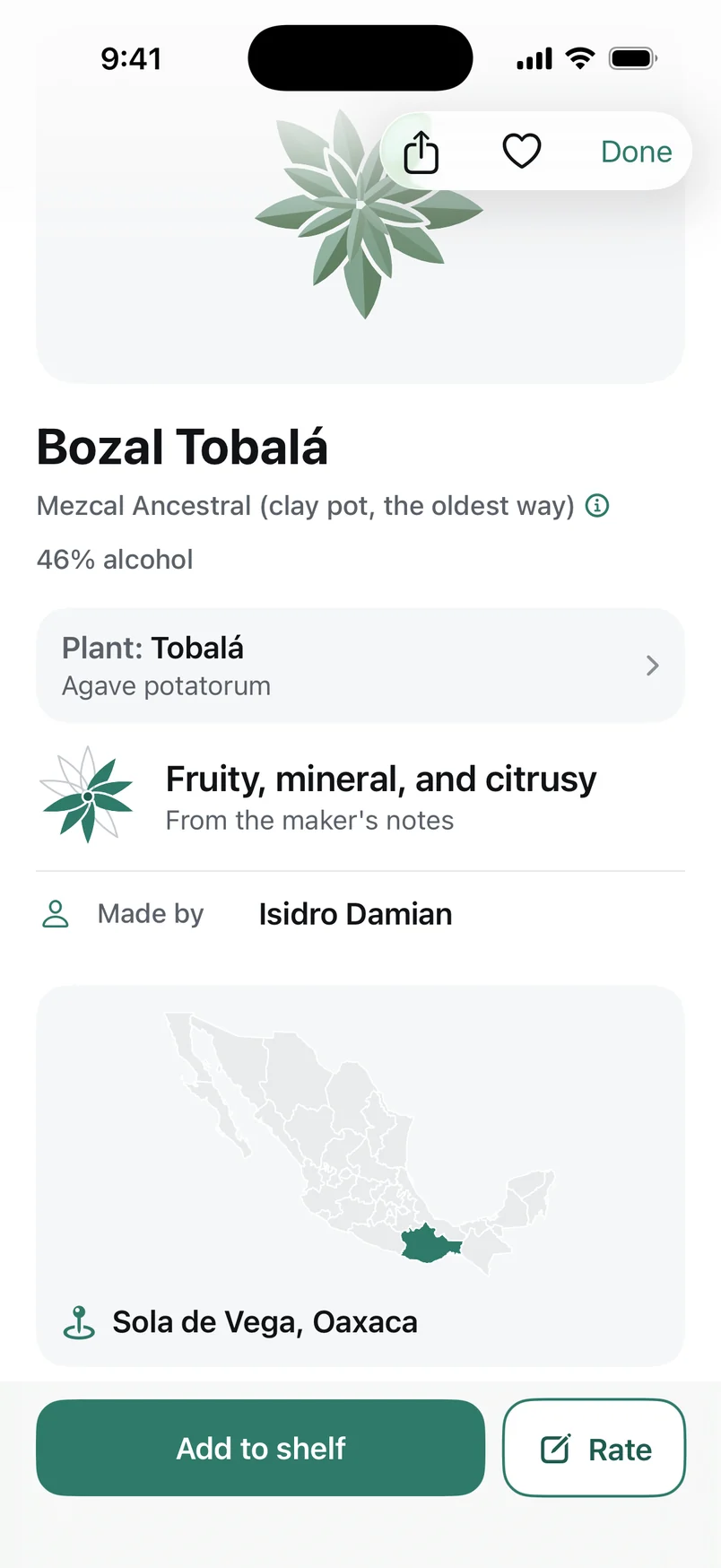
Agavist on iPhone after a scan of Bozal Tobalá, Mezcal Ancestral (clay pot, the oldest way), 46% alcohol: a drawing of its plant, tobalá, Agave potatorum, then fruity, mineral and citrusy, made by Isidro Damian, and a map pinned at Sola de Vega, Oaxaca.
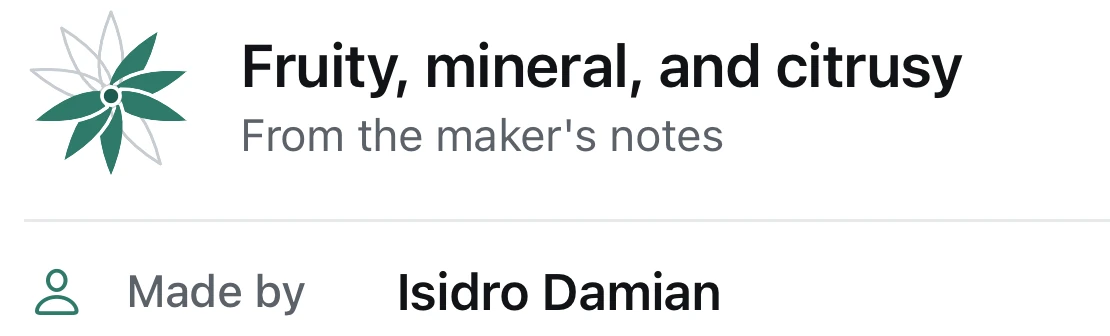
Close up of the same screen: Fruity, mineral, and citrusy, from the maker’s notes. Made by Isidro Damian.

Drawn in 1868L’Illustration horticole

Point it at the label.

It reads the words on the label, on your phone. No account needed.
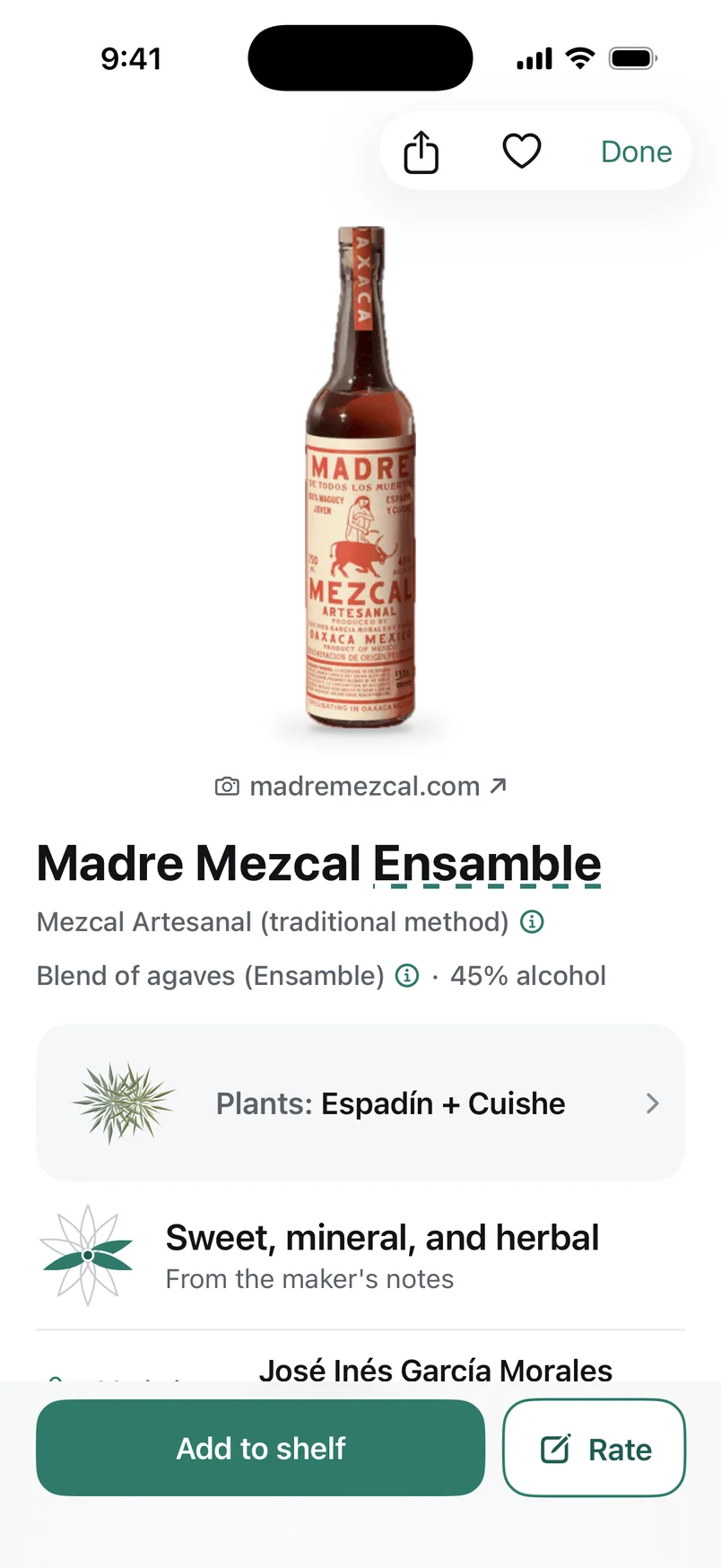
Agavist after a scan of Madre Mezcal Ensamble: the bottle itself, cut out of Madre’s own photo and credited madremezcal.com, then its name, Mezcal Artesanal (traditional method), a blend of agaves (Ensamble), 45% alcohol. Plants: Espadín and Cuishe. Sweet, mineral and herbal, from the maker’s notes. Made by José Inés García Morales y familia.

Madre Mezcal Ensamble’s label, in its maker’s own photograph, inside the scanner’s four corners. Two lines of the label are boxed. Espadín y Cuishe: two agaves, espadín, Agave angustifolia, and cuishe, Agave karwinskii. Oaxaca México: where it’s made, the state of Oaxaca.

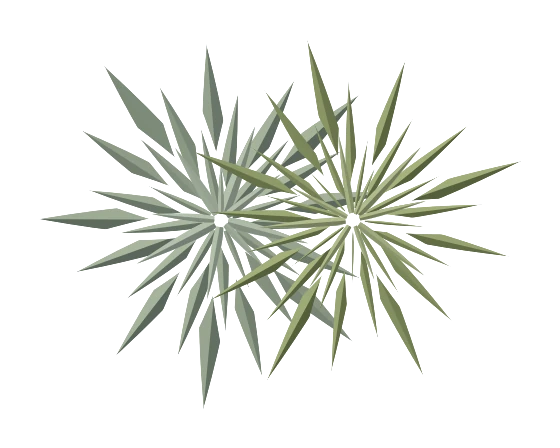
Photo: madremezcal.comNot affiliated with any maker shown.

Same plant, new bottle.

Mezcal comes from many kinds of agave, and some have two names. Cuishe and barril are one plant. Scan one, and the app says if the other is on your shelf.
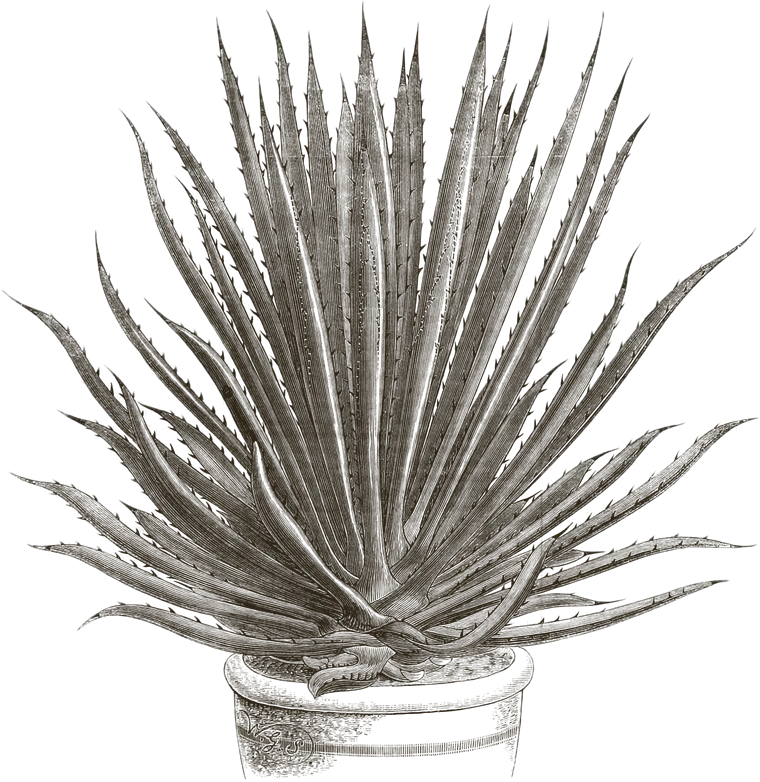
Agave karwinskii, the plant behind both cuishe and barril, in its pot: a wood engraving printed in 1877 under its old name, Agave corderoyi.

CuisheThe bottle you scan

BarrilThe bottle on your shelf
Agave karwinskii, engraved in 1877
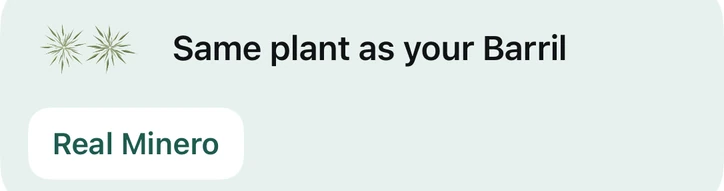
Agavist after a scan of Banhez Cuishe: Same plant as your Barril, with the barril already on your shelf, Real Minero.

See where it comes from.

Your map fills in as you scan.

Shown here: a sample shelf of eight bottles.
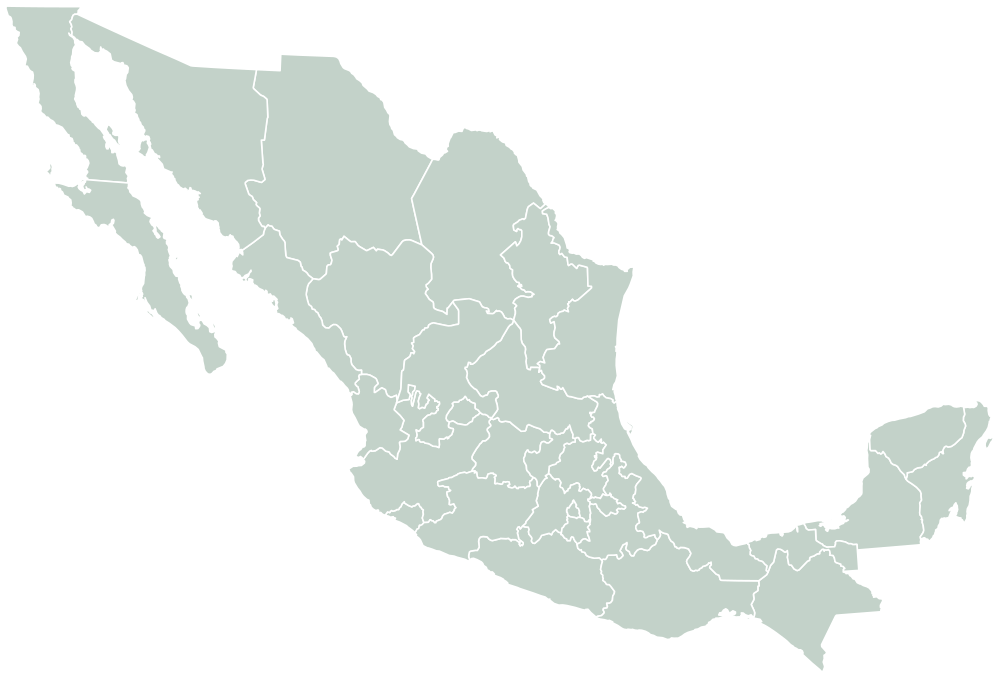
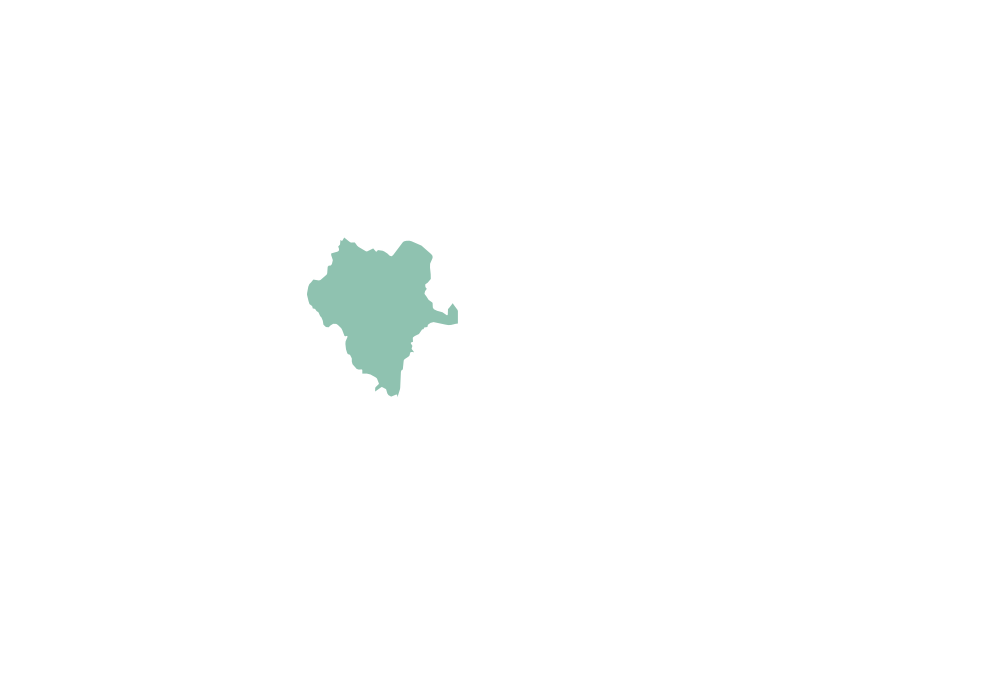
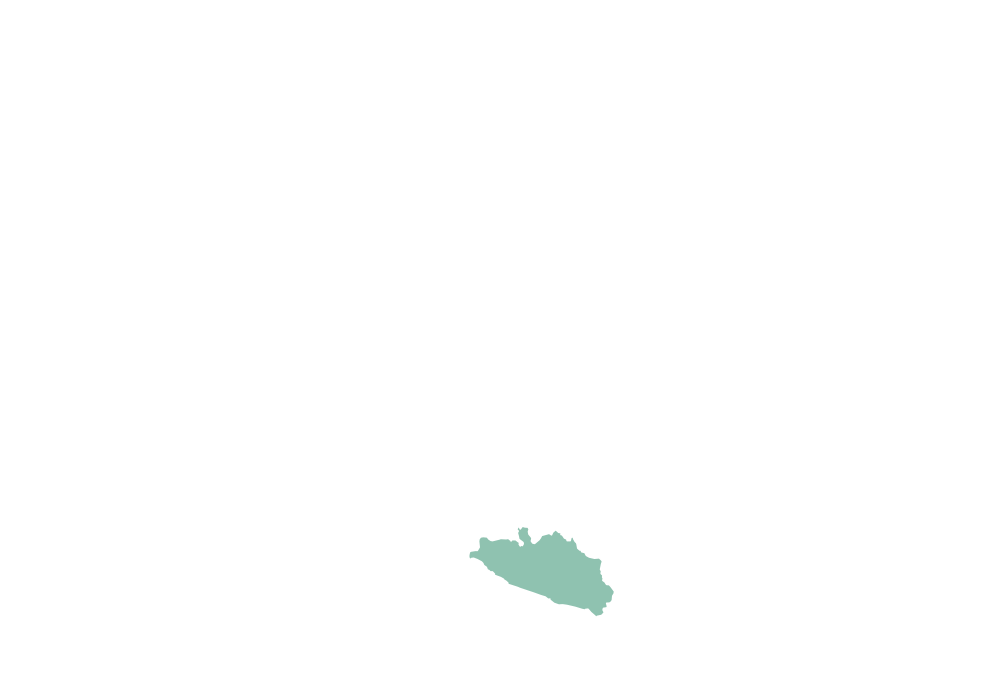
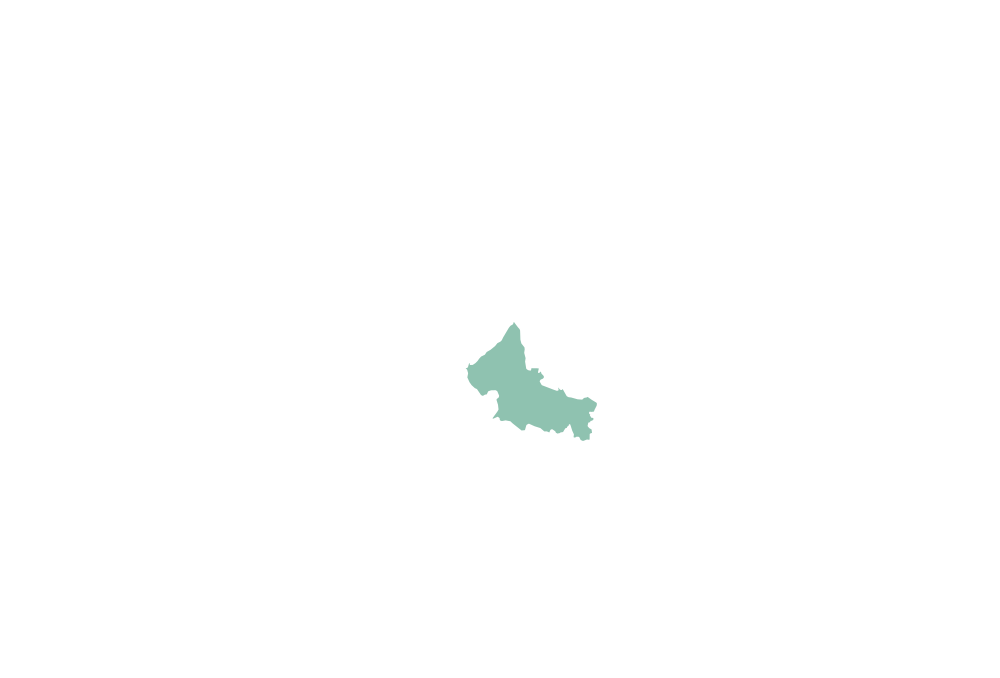
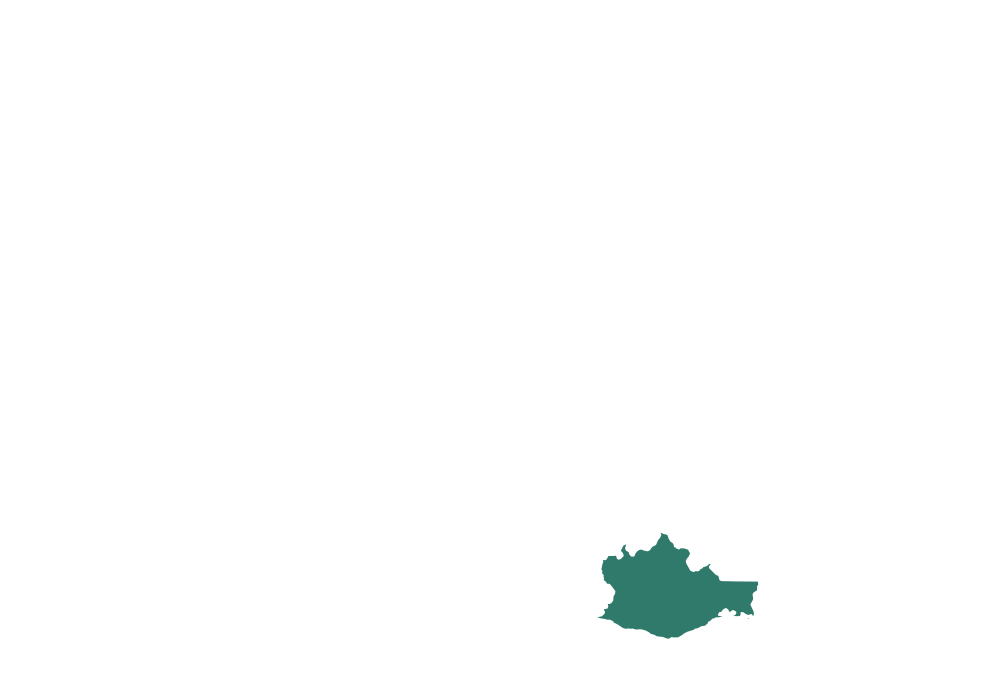
Map of Mexico with the sample shelf’s eight bottles by state: four from Oaxaca and one each from Durango, Guerrero, Puebla and San Luis Potosí. Three villages are pinned, the ones the map could place: Santa Catarina Minas and Santiago Matatlán in Oaxaca and Atolotitlán in Puebla.

Oaxaca4 of 8 bottles

Don’t know a word? Tap it in the app.
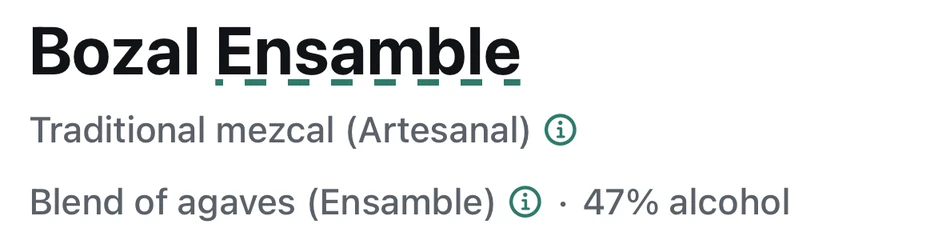
A bottle’s page in Agavist: Bozal Ensamble, with a dashed line under the word Ensamble, then Traditional mezcal (Artesanal) and Blend of agaves (Ensamble), each with an info mark.
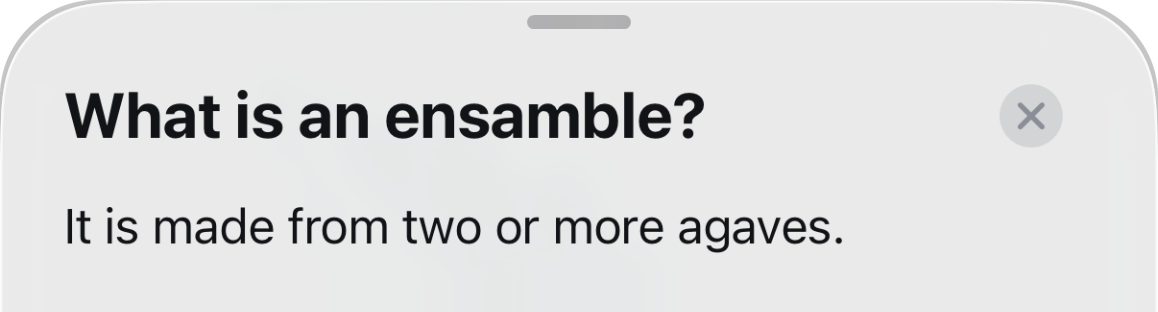
The sheet that opens when you tap Ensamble: What is an ensamble? It is made from two or more agaves.

More words it explains

  • Producer ID (NOM)
  • Flower stalk cut (Capón)
  • Distilled with meat (Pechuga)
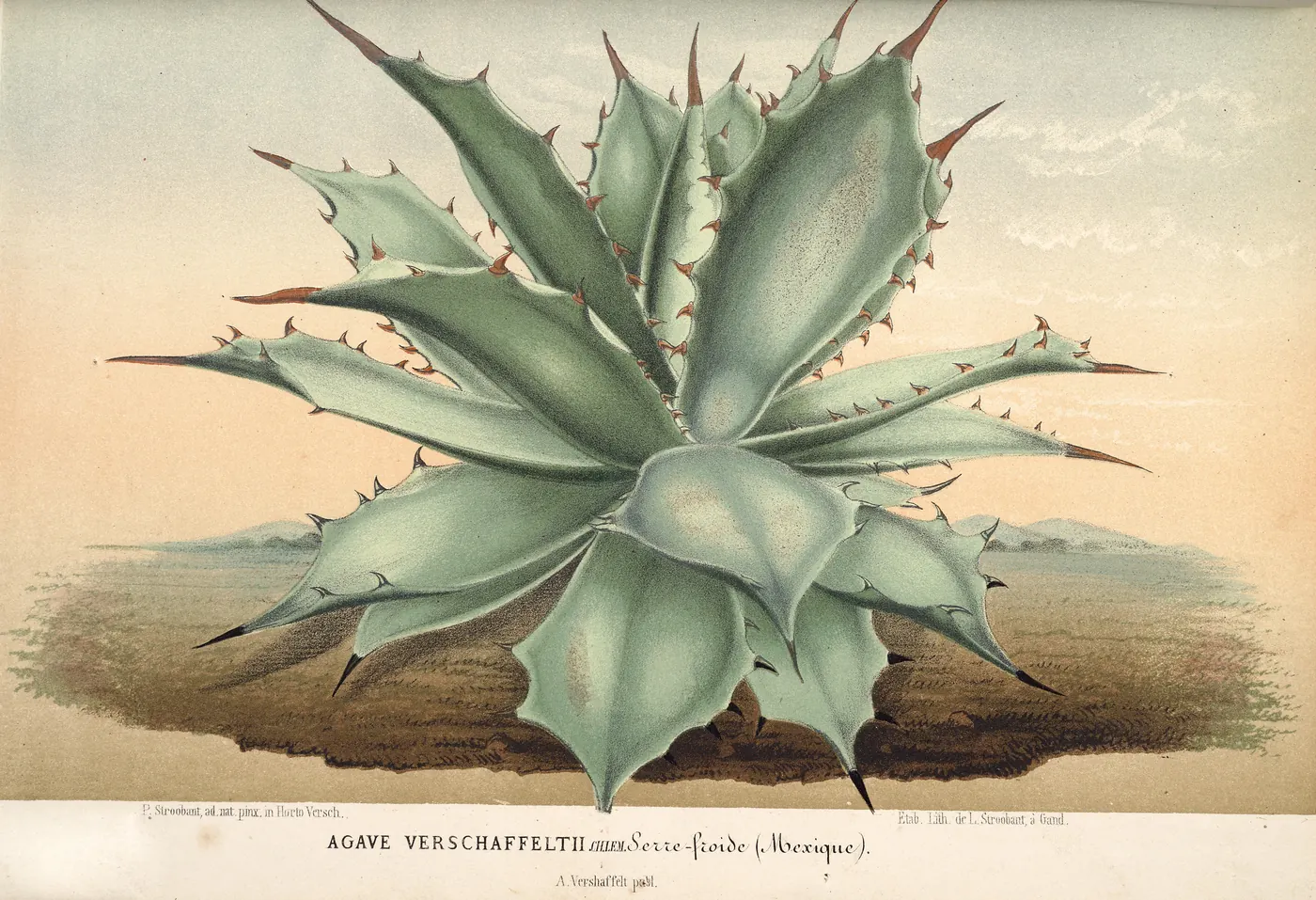
The whole 1868 colour print the plant at the top of this page was cut from: a small agave, tobalá, on open ground under a pale sky, with its printed title, Agave Verschaffeltii.
The plant at the top of this page was cut from this print, drawn in 1868 under the plant’s old name, Agave verschaffeltii.

Every bottle starts as a plant.

In private testingNot on the App Store yet.

Ask a questionhello@agavist.app